
 Tiếng Việt


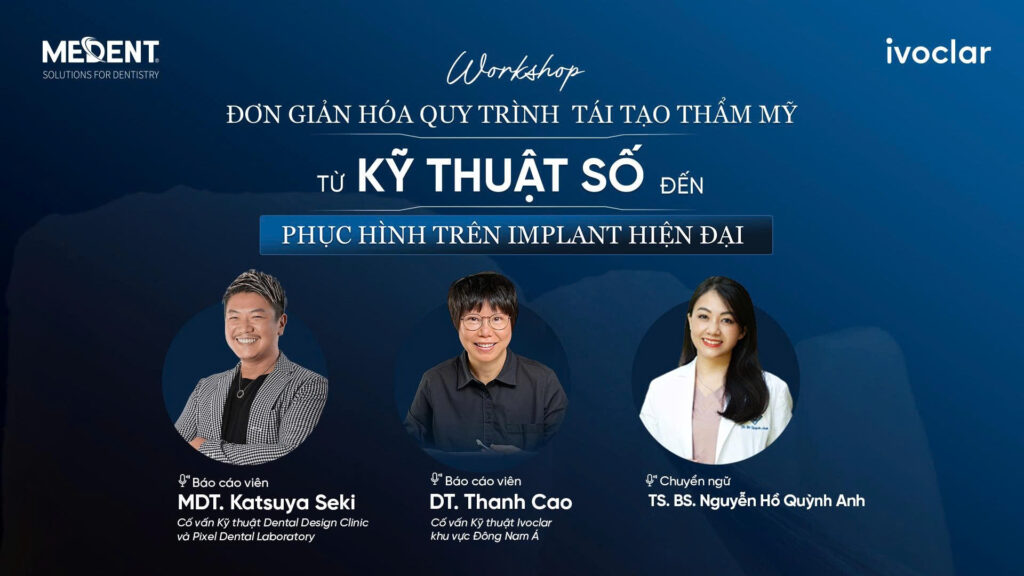
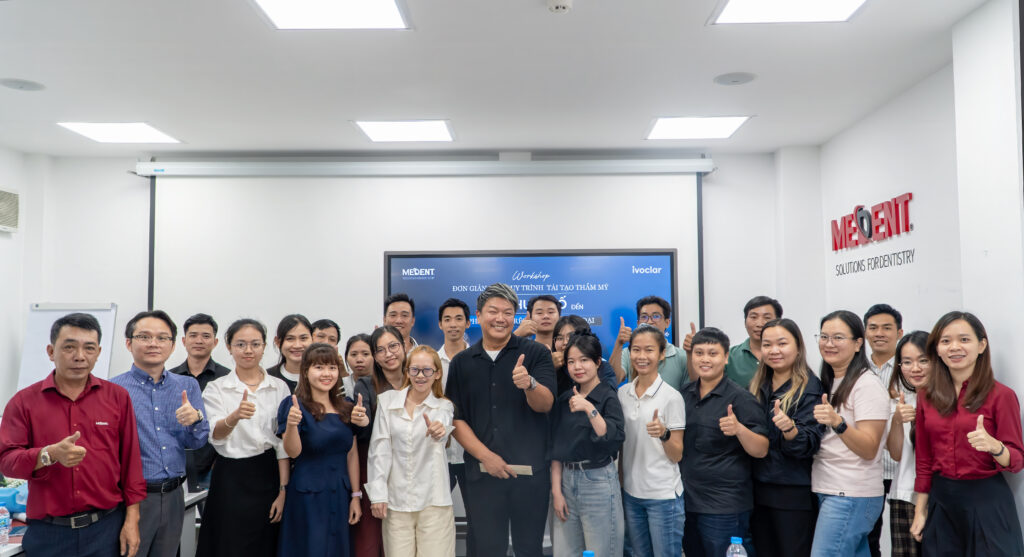
On September 16, 2026, Medent Ho Chi Minh hosted a workshop titled “Simplifying the Workflow for Modern Esthetic Restorations: From Digital Dentistry to Implant Restorations.” The program brought together BCV Thanh Cao in collaboration with an Ivoclar speaker, creating an engaging environment for professional learning, knowledge sharing, and clinical–technical exchange.
Rather than focusing on a single technique, the workshop provided a comprehensive perspective on the modern restorative workflow, where digital dentistry, materials, color, morphology, and characterization techniques are integrated into a streamlined process. The goal is to help dental technicians optimize working time and effort while maintaining a high level of esthetic control.
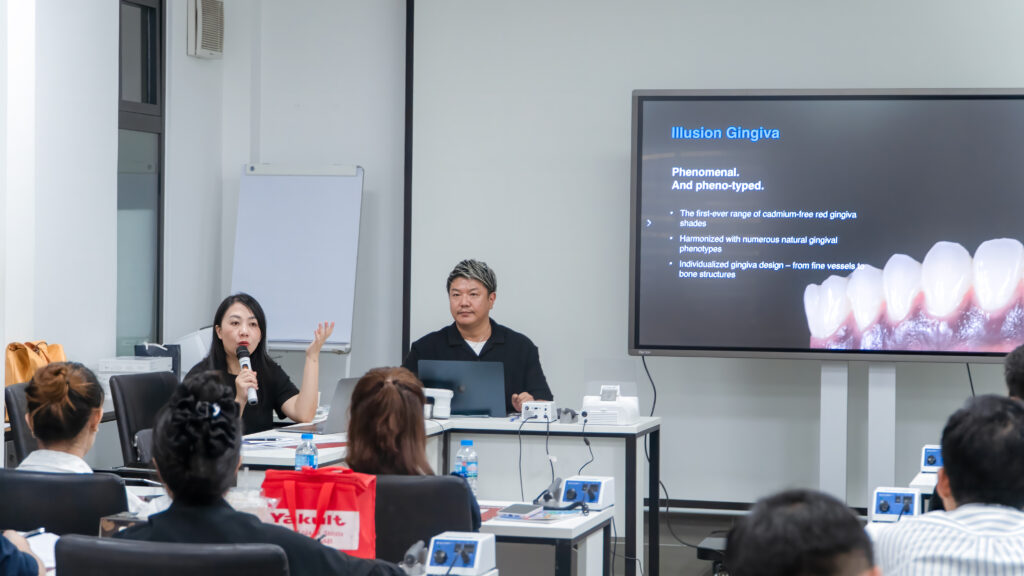
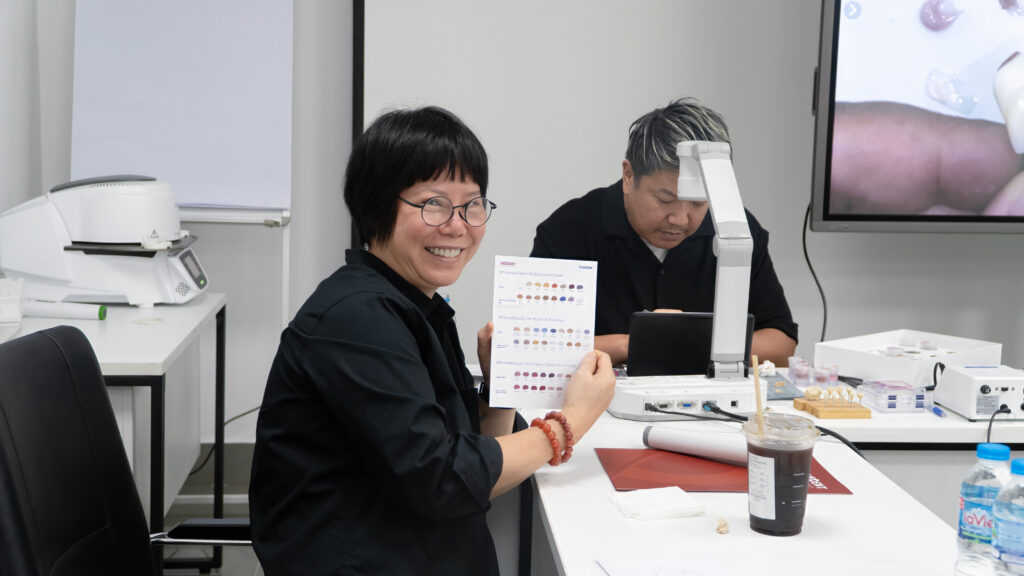
From Understanding Color to Controlling Natural Effects
One of the key topics of the workshop was an update on 3D Stain techniques and the application of color principles in restorative fabrication.
Instead of relying solely on a shade guide, dental technicians need to develop a deeper understanding of how color is distributed across different areas of the tooth, as well as its relationship with anatomical morphology, translucency, value, and optical effects. Accurate observation and analysis provide a more structured approach to characterization, allowing technicians to reproduce the individual features and natural appearance of real teeth more effectively.
The program also expanded the discussion to pink esthetics, an increasingly important consideration in implant restorations and highly esthetic cases. Achieving harmony between white esthetics and pink esthetics plays an essential role in creating restorations that appear natural, balanced, and integrated with the surrounding tissues.
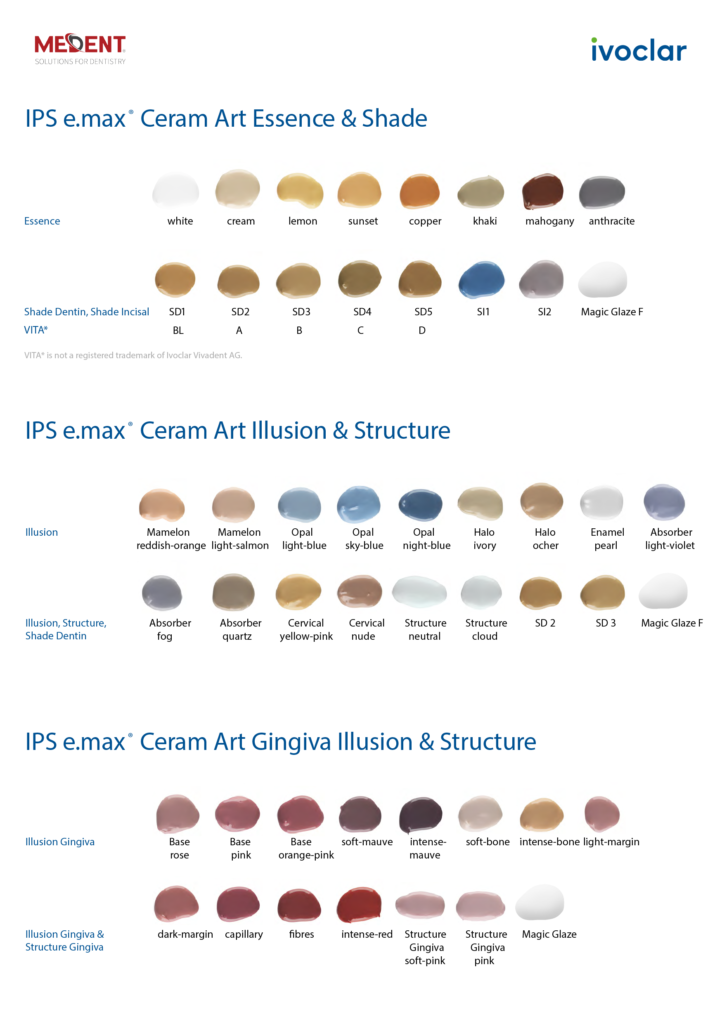
IPS e.max Ceram ART – Simplifying the Characterization Process
Another highlight of the training was IPS e.max Ceram ART, a solution designed to support dental technicians in the individualization of esthetic restorations through a versatile range of materials and optical effects.
By understanding the characteristics of different shades, their distribution within the tooth, and how specific effects can be created on the restoration surface, technicians can take a more controlled approach to individual characterization, color effects, and Macro/Micro Texture.
This reflects an important principle in modern restorative dentistry: simplification does not mean compromising quality. Instead, it means developing a more efficient workflow that achieves the desired esthetic outcome while eliminating unnecessary steps.
When applied appropriately, 3D Stain techniques together with IPS e.max Ceram ART can help shorten fabrication time, reduce manual effort, and optimize the overall workflow, while maintaining control over the key esthetic characteristics of the restoration.
Connecting Digital Dentistry with Modern Implant Restorations
With the participation of BCV Thanh Cao and the Ivoclar speaker, the workshop went beyond materials and technical procedures, providing an opportunity for dental technicians to exchange practical experience and perspectives.
From digital workflows, morphology and color analysis, and material selection to color staining and the requirements of modern implant restorations, each topic contributed to a common objective: developing a more systematic, predictable, and efficient approach to restorative fabrication.
A successful workflow does not necessarily have to be complicated. When technicians understand why each step is necessary, which material is appropriate, and where a specific optical effect should be created, the fabrication process can become simpler while maintaining precision and esthetic quality.
The workshop held at Medent on September 16, 2026, was therefore more than a technical training session. It was also an opportunity to reflect on a more modern approach to esthetic restoration:
A deeper understanding of color – a more optimized workflow – greater control over individual characterization – and restorations that look increasingly natural and harmonious.